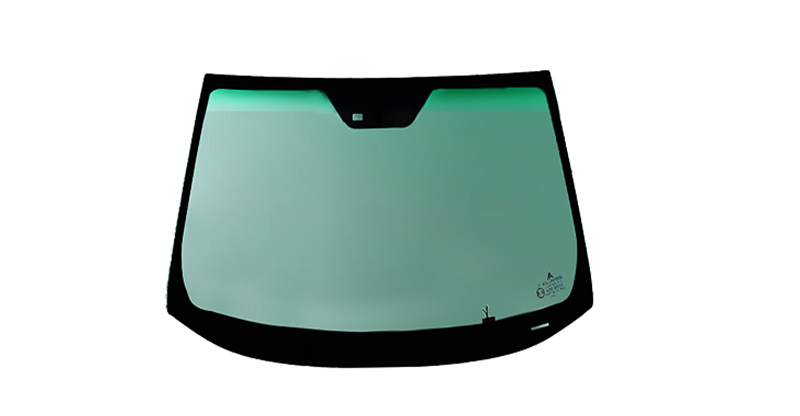
Acoustic laminated glass is a type of glass produced by placing a special Polyvinyl Butyral (PVB) layer with high sound insulation between two glass panes. Thanks to this special structure, it significantly absorbs sound waves coming from the outside environment. Acoustic laminated glasses provide superior performance in sound insulation, effectively reducing unwanted external noises such as wind noise, traffic noise, and engine noise, creating a quieter and more comfortable environment indoors.
Windshield with Antenna
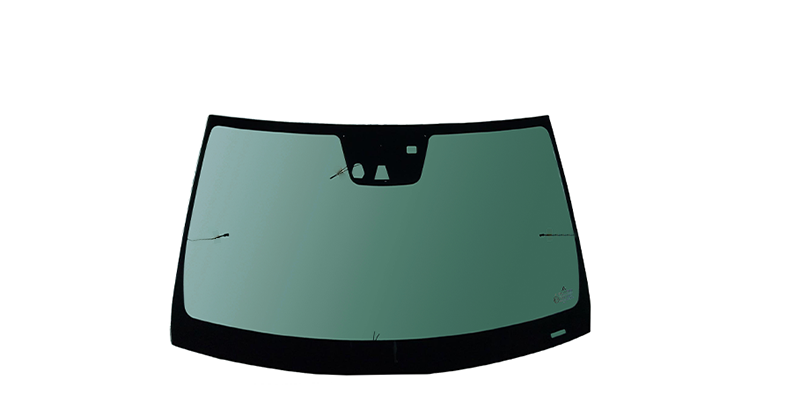
Windshields are created by printing silver-containing paints onto the glass surface in the form of wires. These wires enable the reception of radio signals, ensuring the proper functioning of the radio. In vehicles, radio antennas may be located on the body of the car, while in some vehicles, they are found on the front or rear windshields.
Windshield with Concealed Resistor
The resistance wires, thin enough not to obstruct the driver’s view, are placed with high precision between two layers of glass. This feature allows for the quick melting of ice, snow, and fog that forms on the windshield in cold weather, providing a wide field of vision for driving safety and comfort. Additionally, it prevents time loss and damage to the glass by melting the ice, snow, and fog without the need for scraping.
Windshield with UV Protection Film
In recent years, the increasing expansion of glass surface areas in automotive windows has caused the sun’s rays to negatively affect the comfort inside the vehicle in the summer months. However, thanks to the advanced UV film glass technology, the standard light transmittance rate (70%) is maintained in windshields, while the transmittance value of UV and IR rays is kept at a minimum level by reflecting. Thus, the harmful effects of the sun are reduced and the temperature inside the vehicle is significantly reduced compared to standard glass. This type of glass is generally preferred in windshields and sunroof areas.
Side Glass
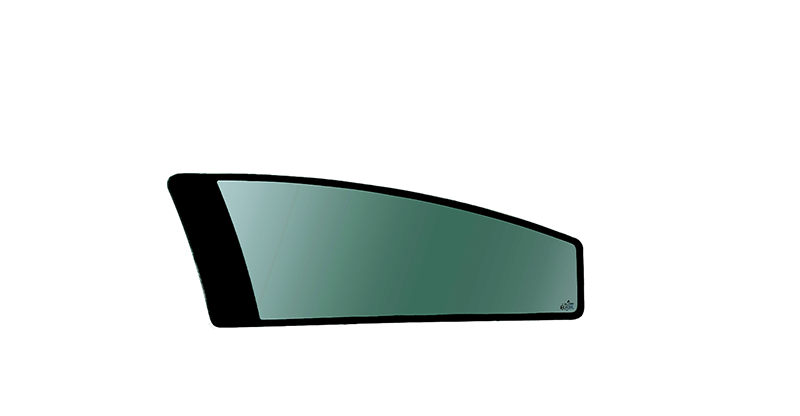
Laminated glass, which is produced by combining two or more glass plates under heat and pressure with the help of colored or colorless special binder polyvinyl butyral (PVB) or Ethylene Vinyl Acetate (EVA) layers, can be used in different positions on passenger vehicles due to its functions such as safety, security and sound insulation, as well as windshields. It is also used in construction and agricultural machines.
Windscreen
Laminated glass is used as standard in the windshields of motor vehicles. These glasses are produced by combining two or more glass plates under heat and pressure with the help of colored or colorless special binding polyvinyl butyral (PVB) or Ethylene Vinyl Acetate (EVA) layers. Thanks to this production technique, when the glass breaks, it holds the pieces in place and significantly reduces the risk of injury. Laminated windshields are used as safety glass in the event of breakage, preventing the scattering of glass pieces, limiting the puncture opening and the passage of matter from one side of the glass to the other, and reducing the risk of injury as a result of cutting or piercing.
Sunroof
Laminated glass is used as sunroof glass and glass ceiling on the roof of vehicles. Sunroof glass is a smaller structure compared to glass ceiling and is a ceiling element that can be opened and closed, half opened, and acts as a window. Glass ceiling is a structure that aims to receive sunlight inside a vehicle by using transparent glass from the roof. Passenger car roof glass helps to expand the interior and provide panoramic view. These glasses can be produced with various light transmittance values. A more open and spacious environment is created inside the vehicle with roof glass.